
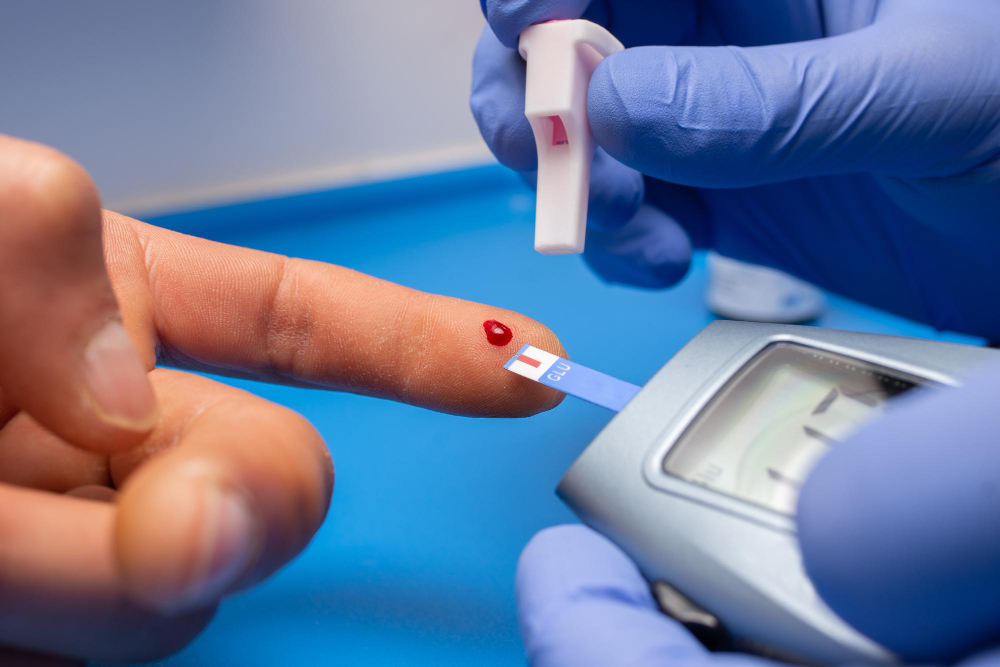
Diabetes screening tests help find high blood sugar early. These tests are simple but very important. Early diabetes detection can stop serious health problems before they start. Many people do not know they have diabetes until symptoms appear. That is why diabetes screening matters so much. With regular checks, you can prevent diabetes complications and live a healthier life. In this blog, we explain what a diabetes screening test is, why it is important, and how you can prepare for one.
What Is a Diabetes Screening Test?
A diabetes screening test checks your blood sugar level. It helps find out if you have diabetes or are at risk. There are different types of screening tests. Each test gives doctors important information about your health.
Doctors use these tests to spot diabetes early. That way, you can get help before problems start.
Why Is Diabetes Screening Important?
Many people with diabetes do not feel sick at first. However, high blood sugar can harm your body over time. Early diabetes detection helps you avoid serious health issues. For example, you can prevent heart disease, kidney problems, and vision loss. According to the CDC, early screening and treatment lower the risk of these complications. In addition, knowing your risk helps you make healthy choices sooner.
Who Should Get Screened for Diabetes?
Not everyone needs a diabetes screening test right away. Still, some people have a higher risk. You should consider screening if you:
If you have any of these risk factors, talk to your doctor about getting tested. Even if you feel healthy, screening can help you stay that way.
How Are Diabetes Screening Tests Performed?
Most diabetes screening tests are quick and simple. Usually, a nurse or doctor takes a small blood sample. For some tests, you may need to fast (not eat) for 8 hours. For others, you can eat and drink as usual. Sometimes, you may need to drink a sweet liquid before the test. After the test, you can go back to your normal activities. Your doctor will explain your results and what they mean for your health.
Benefits of Early Detection Through Screening
Early diabetes detection offers many benefits. For instance, you can:
Moreover, regular screening helps you and your doctor track your health over time. That way, you can adjust your care as needed.
Tips for Preparing for a Diabetes Screening Test
Getting ready for a diabetes screening test is easy. Here are some tips to help you:
Above all, follow your doctor’s instructions. This will help you get the most accurate results.
Frequently Asked Questions About Diabetes Screening
In summary, diabetes screening tests are a key step in protecting your health. Early detection helps prevent serious problems and supports a healthier future. Consult Serum Diagnostics and Polyclinic to learn if a diabetes screening test is right for you.